I Vibe Coded a $10M SaaS Clone in 2 Hours - And I'm an Idiot for Doing It
Why building a SaaS clone with AI in 2 hours for $10 isn't the productivity win it seems - a cautionary tale about maintenance costs.
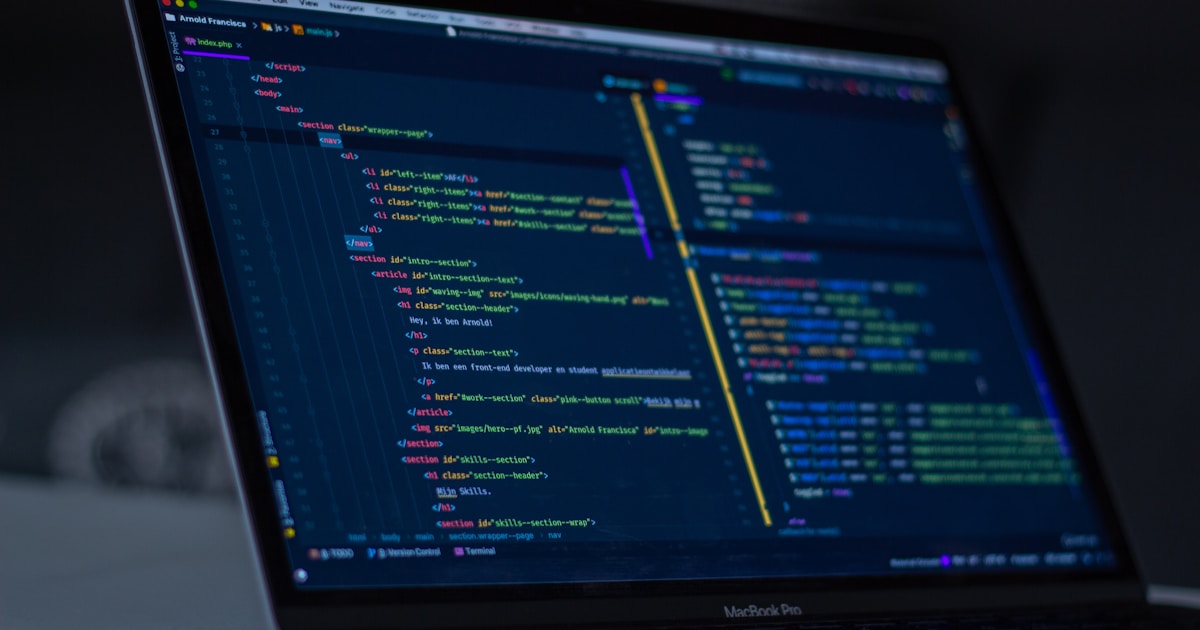
I vibe coded a clone of a $10m SaaS in 2 hours for $10 and I’m an idiot for doing it.
Not because it didn’t work. It actually does.
It even has a heap of features the SaaS doesn’t have.
On its surface its’ way cheaper than a SaaS to run..
So why am I an idiot?
Let’s start from the beginning.
I’m a massive fan of dictation.
Wispr Flow is incredible - it’s AI-powered dictation that actually understands context. I’ve been using it constantly for emails, docs, everything.
But here’s the problem: It’s a Chrome extension. And I spend most of my day in VS Code, terminal, and desktop apps where Chrome extensions don’t work.
I thought “This would be so easy to build. Just take the audio input, send it to an AI transcription service, output the text. Done.”
So I did.
The Build
I spent 2 hours with Claude Code building a system-wide dictation tool:
- Electron app for system-wide access
- Audio capture from any microphone input
- Whisper API integration for transcription
- Global hotkey to activate from anywhere
- Context awareness to improve accuracy
- Custom formatting rules
Total cost: $10 in API credits. Total time: 2 hours.
It works beautifully. Seriously, it’s great.
The Problem I Ignored
Here’s what I conveniently forgot during my “I’ll just build it” excitement:
1. Maintenance is Forever
Wispr Flow updates automatically. Mine doesn’t.
When Whisper API changes? I have to fix it. When macOS updates break something? I have to fix it. When Electron has security updates? I have to fix it.
That $10 clone just committed me to unpaid maintenance for life.
2. Features Take Time
Wispr Flow has a team constantly improving it:
- Better context understanding
- New language support
- Integration with other tools
- Bug fixes I’ll never even know about
My clone is frozen at “2 hours of development” until I commit more time to it.
3. Reliability Isn’t Free
Wispr Flow handles edge cases I haven’t even discovered yet:
- Different audio input types
- Network failures
- API rate limits
- Memory leaks
- Background noise filtering
They’ve battle-tested their product with thousands of users. Mine has been tested by… me.
4. The Real Cost Multiplier
Every hour I spend maintaining my clone is an hour I’m not:
- Building Platfio
- Working with clients
- Creating content
- Improving core products
That opportunity cost is the killer.
The SaaS Math That Actually Makes Sense
Wispr Flow charges $10/month.
I “saved” $10/month but committed to:
- Initial build: 2 hours ($400 at my actual rate)
- Monthly maintenance: ~2 hours ($400)
- Opportunity cost: Immeasurable
So my “$10 savings” is actually costing me thousands.
When Should You Build Instead of Buy?
I’m not saying never build. There are good reasons to:
Build when:
- The SaaS can’t do what you need (true unique requirements)
- You’re building for hundreds/thousands of users (economies of scale)
- The tool is core to your business differentiation
- You have dedicated resources for ongoing maintenance
Don’t build when:
- You’re just avoiding a subscription fee
- It’s not your core competency
- Maintenance will distract from your real work
- The SaaS is “good enough”
The Lesson
Just because you can build it in 2 hours doesn’t mean you should.
AI made building incredibly easy. But AI didn’t make maintaining easy. And it definitely didn’t make your time less valuable.
The “vibe coding” productivity revolution is real. But it’s easy to confuse “I can build this” with “I should build this.”
Wispr Flow costs me $120/year. My clone will cost me thousands in maintenance and opportunity cost.
I’m an idiot for building it.
But at least I learned the lesson - and I’m sharing it so you don’t make the same mistake.
The Takeaway
The best productivity decision isn’t always building faster.
Sometimes it’s recognizing when $10/month is actually the bargain.